How to
How to mark tomorrow's levels in two minutes
Most charts end the day covered in lines. Only a few of them will matter tomorrow. Here's how to find those few before the session opens.
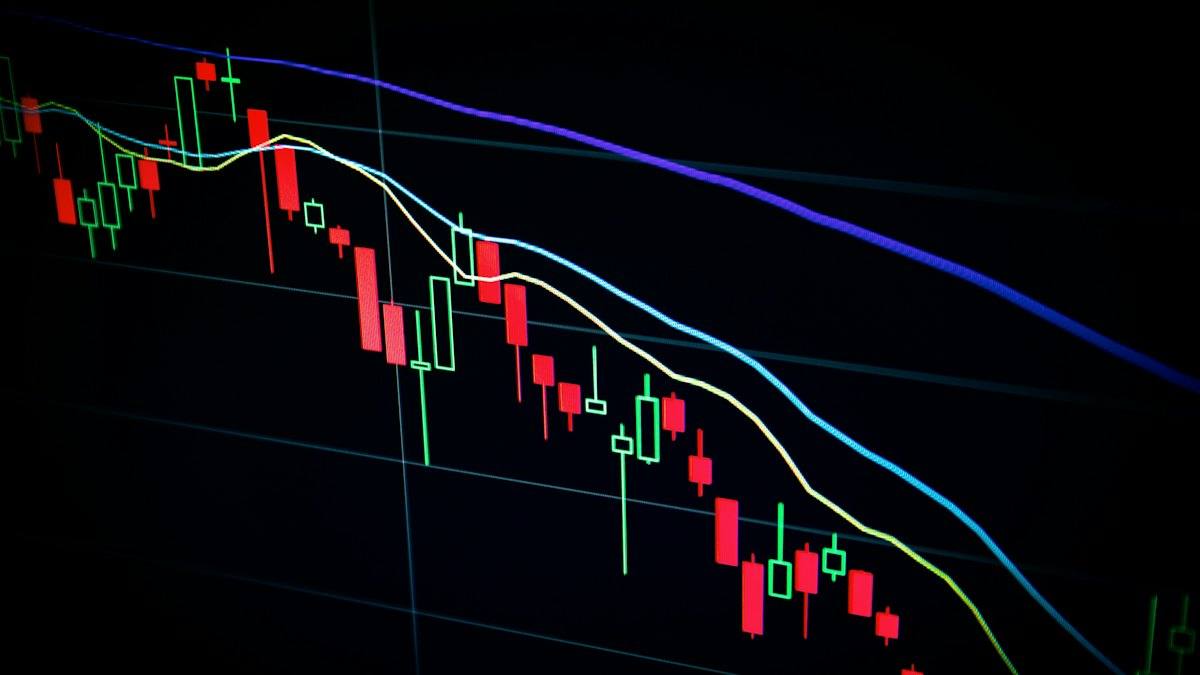
In short: open Next-Day Levels, pick your pair and your timeframe, and read the ladder from the middle out. The first line above and below price matter most. Each line shows how often price has reacted there, and how many sessions that's based on, so you know which ones deserve your attention.
Why fewer lines is better
Every extra line on a chart is a reason to hesitate. Most traders mark old highs, round numbers, last week's range and a dozen more, then freeze when price sits between three of them. Next-Day Levels does the opposite: it ranks the lines by how likely tomorrow is to reach them, and puts a track record next to each one.
Step by step
- Pick your instrument. Choose the pair, gold or the index you trade from the picker at the top.
- Pick your clock. Choose the timeframe you actually trade. The ladder rebuilds for that view.
- Read today's call first. The card at the top says which side the day leans to and why. It's built from the same ladder you see below, so the two always agree.
- Read the ladder from price outward. Levels are laid out above and below the current price, in price order, like a chart. The strongest line is the one with the filled bar.
- Check the record on each line. A line that says it held most of the time over a decent number of sessions is worth a limit order. A line with a thin record is worth a glance, not your money.
- Filter to your side. Only trading longs today? Tap Longs to see just the supports below price, where a long is entered and defended.
Options worth switching on
- Pins: keep your own lines on the board through a rescan or a clock change.
- Kinds: hide the types of level you don't trade.
- Replay: rewind to any recent evening and watch the next session play out against the levels as they stood. It's the fastest way to learn which lines you can trust.
- Day boundary: forex traders often mark the day at the New York close; switch between that and midnight UTC.
A simple routine
Before your session: open the page, read the call, note the first level each side, and set alerts there. If price reaches a level, look for confirmation before entering rather than buying the touch. Two minutes, and you start the day knowing where you'll act and where you won't.
FAQ
What are next-day levels?
They are the price levels the next session is most likely to trade to: the first support below price, the first resistance above it, and where price tends to head if either holds or breaks.
Which timeframe should I use?
Use the clock you trade on. Intraday traders usually pick the 15-minute or 30-minute view; swing traders pick the hourly.
Does it work for gold and indices?
Yes. Next-Day Levels works on forex pairs, gold, indices and the other instruments in the pair picker.
See today's read on your pair. Ask SILICON what's driving the market you trade.
Try SILICONKeep reading
- The best AI tool for gold trading: what to look for
- Can you use ChatGPT for forex trading?
- How to ask SILICON better questions
Trading leveraged products such as forex and CFDs carries a high risk of loss. SILICON provides analysis and education, not financial advice. Past results do not guarantee future results.